

Bronze and Copper in Modern Architecture
Timeless material. Endless possibilities.
The completion of 270 Park Avenue in New York, the new global headquarters of JPMorgan Chase, has once again brought bronze into the spotlight of contemporary architecture. Yet the enduring appeal of bronze reaches far beyond a single landmark project.
In this feature, we explore the unique qualities of bronze and copper-based alloys in facade cladding applications, highlighting the design possibilities, architectural advantages, and long-term value that make these materials a preferred choice for high-quality ventilated facades, rainscreen systems, and distinctive building envelopes around the world.
For centuries, copper and its alloys have shaped some of the world's most distinguished buildings. Today, bronze, brass, and copper continue to define contemporary architecture through their unique combination of aesthetics, durability, and versatility.
Crafted for architecture
Copper alloys are among the most versatile architectural metals.
Their excellent formability allows the creation of complex geometries, folded surfaces, perforated panels, embossed structures, and highly detailed facade elements. This combination of flexibility and durability enables architects to transform ambitious concepts into buildable solutions.

The versatility of bronze is exemplified by projects such as 270 Park Avenue in New York. Within a single building, different copper-based alloys and finishes were used to create distinct architectural expressions while maintaining a cohesive overall design language.
The facade, column cladding, and totems were realized in POHL Bronze Dark V-LM-1, creating a refined, consistent, and bold appearance throughout the building envelope. In contrast, the canopy, signage letters, and spiral staircase feature POHL Copper nickel Natural Vibration, introducing a softer material character and creating contrast while complementing the project's overall material palette.


Beyond the variety of finishes, the project, designed by Foster + Partners, also demonstrates the exceptional fabrication capabilities of copper alloys. Highly complex three-dimensional panels were developed and manufactured for the canopy and the cladding of the building's distinctive five-arm columns, combining sophisticated geometries with demanding surface requirements. Together with exceptionally large panel formats, these elements showcase the extraordinary possibilities of architectural sheet metal in facade design.
Patina and Aging
One of the most fascinating characteristics of copper and its alloys is their ability to evolve over time. Exposure to weather and environmental conditions gradually transforms the material, creating a natural patina that adds depth, character, and authenticity to the surface.
The ageing process is influenced by a variety of factors, including alloy composition, surface finish, and patination techniques. By carefully selecting and combining these parameters, it is possible to achieve a controlled and harmonious ageing process while maintaining a consistent overall appearance.
Depending on the desired aesthetic, architects can choose between the following options:
- Natural ageing and oxidation
- Controlled and accelerated patination
- Wax-sealed surfaces that support the natural ageing process
- Sealed surfaces (surface protection) that preserve the original appearance

Leaving the material untreated allows natural oxidation to occur, resulting in the gradual development of a natural patina. Depending on the material and alloy composition, the surface may develop green tones (copper), brown to dark brown tones (bronze), or golden to dark brown tones (brass). Chemical patination treatments artificially accelerate the ageing process and replicate the effects of natural weathering through targeted oxidation. A wax coating protects the material while still allowing it to age naturally and develop its characteristic patina over time, whereas a lacquer finish seals the surface and preserves its existing appearance.
Regardless of the chosen approach, each surface develops its own distinctive character, creating a facade that remains true to the architectural vision while gaining richness and individuality over time.
Design Freedom Through Material Diversity
Alongside the ageing process, the composition of the alloy plays a crucial role in defining the appearance of bronze. From warm reddish tones and rich gold hues to deep brown surfaces, copper-based alloys offer an extraordinary range of visual expressions.


The final character of each surface is determined by the combination of alloy, patination, and finishing process. Whether refined and elegant, industrial and textured, or naturally aged, bronze can be tailored to support virtually any architectural vision.
Available design options include:
- Patinated or natural surfaces
- Hairline or vibration finish
- Etched surfaces
- Custom perforations
- Embossing
The result is a material that offers architects exceptional creative freedom while retaining the authenticity and timeless appeal of metal.

Sustainability and longevity
of bronze and copper in architecture
POHL Bronze combines timeless aesthetics with exceptional durability, making it a responsible choice for contemporary architecture.
Copper-based alloys can be recycled repeatedly without any loss of quality, supporting a circular approach to material use. At the same time, their outstanding resistance to weathering and corrosion enables service lives of well over 100 years.
Requiring minimal maintenance throughout their lifecycle, bronze surfaces withstand even demanding environmental conditions while continuing to develop character and depth over time. The result is a facade material that combines long-term sustainability with enduring architectural value.
Photo: © Magda Biernat / OTTO
Exclusivity in Every Detail
Bronze has always been associated with craftsmanship, permanence, and prestige. Its depth of color, evolving surface character, and ability to age gracefully make it one of the most exclusive materials available for architectural design and facade construction. Whether used for entire facades, entrance portals, feature walls, or interior applications, bronze creates a presence that few materials can match.
With decades of experience in metal forming, we realise even the most complex shapes and demanding geometries with the highest level of precision. This manufacturing expertise is complemented by comprehensive surface finishing capabilities: from in-house patination and the development of concept-specific finishes to bespoke brushed textures and perforation patterns, we create tailored facade solutions for the most demanding architectural applications. From the initial concept through to final execution, we support our clients with technical expertise, craftsmanship and a deep understanding of materials and surface finishes.

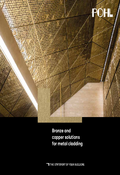


Fotos:
Titel: © Hohe Domkirche Köln, Dombauhütte Köln, Foto: Mira Unkelbach
Contact
Do you have any questions about our POHL Bronze solutions, or are you interested in working with us?